



Understanding art leasing

Crafts & Art
Latest posts


Blog categories
Search in blog
Archived posts
Archeology
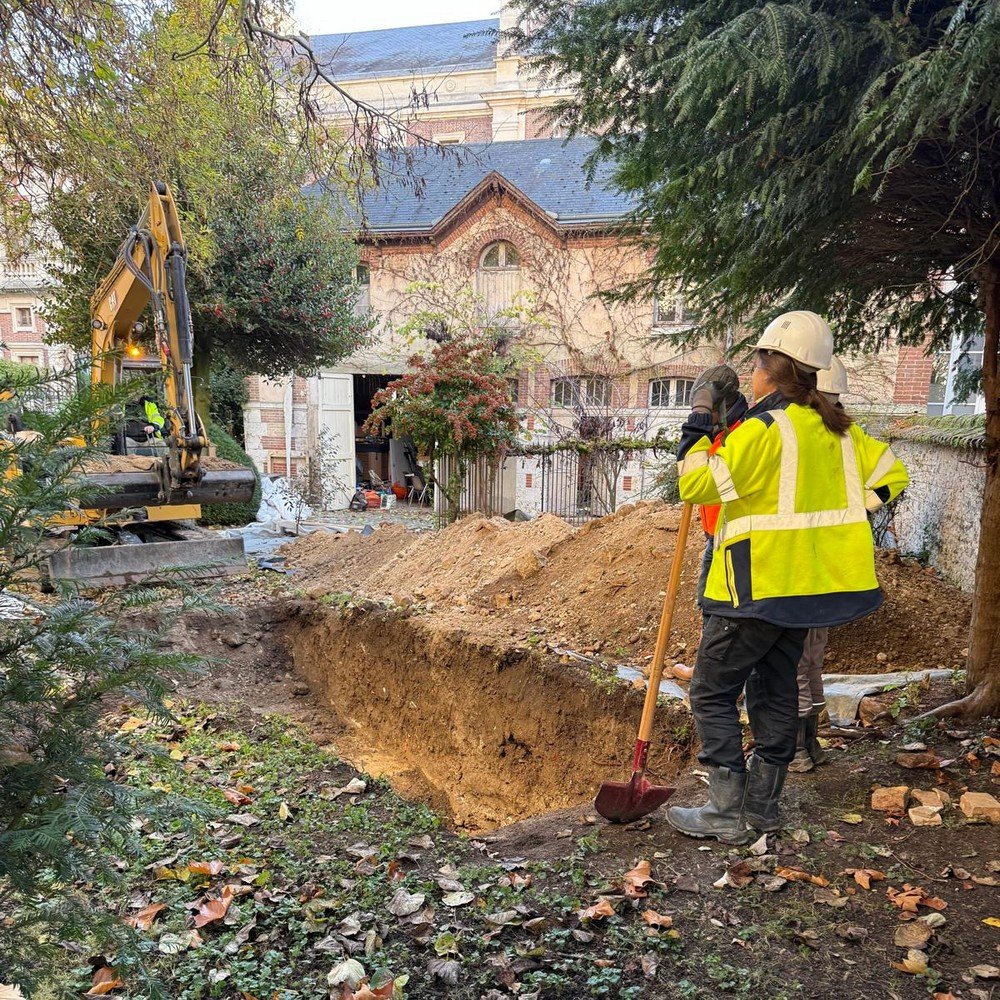
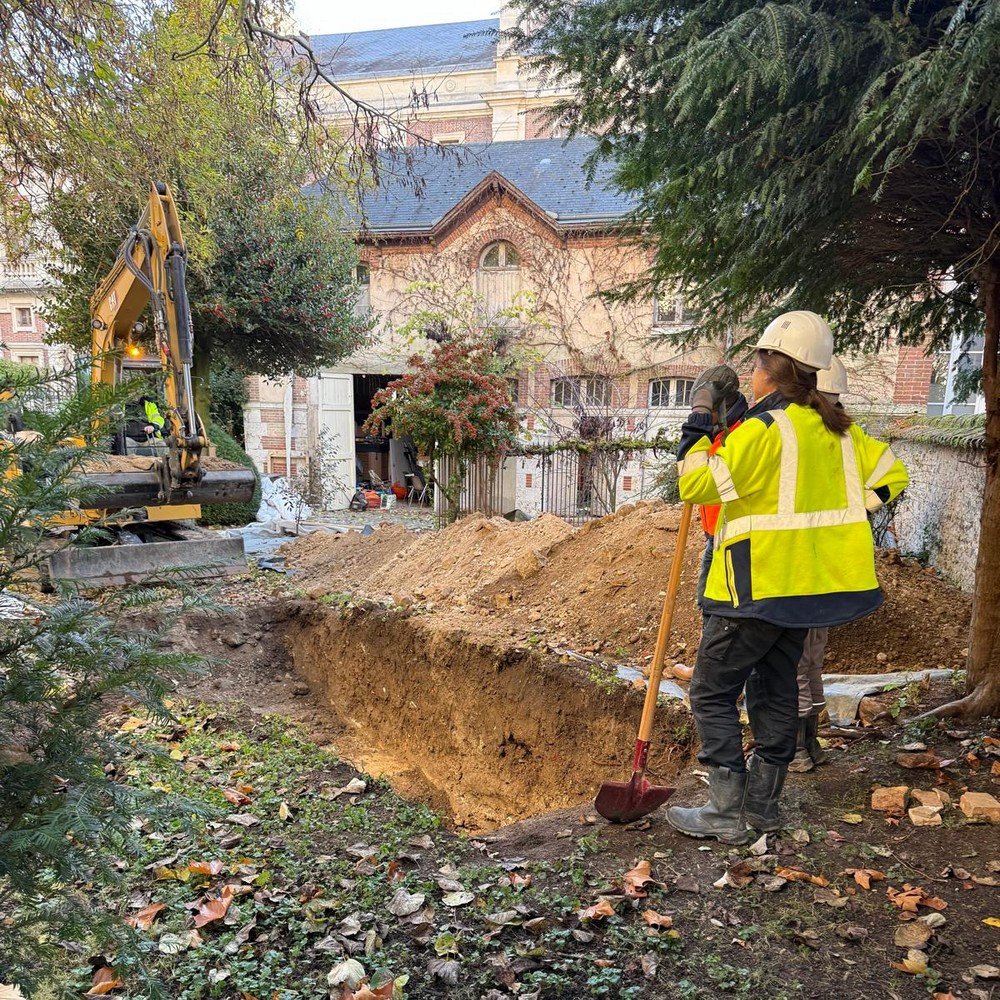
A dive several meters below the city.
The archaeologists are gathered around an old private stable whose foundations date back to 1868, in the heart of the era when Emperor Napoleon III reigned.
These walls, which once housed horses, are about to begin a new life, as our project is to transform this place into a space dedicated to Art and Craft.
Before this transformation takes shape, there is another story, the one buried beneath our feet, which attracts all our attention.
Preventive archaeology is essential to understanding and preserving the heritage that this site may hold. History is reclaiming its rights!
On the remains of the settlement, the mission of archaeologists is to go back in time by studying the tiny fraction of evidence left by the modest populations: the true "science of everyday life".
The archaeologists are gathered around an old private stable whose foundations date back to 1868, in the heart of the era when Emperor Napoleon III reigned.
These walls, which once housed horses, are about to begin a new life, as our project is to transform this place into a space dedicated to Art and Craft.
Before this transformation takes shape, there is another story, the one buried beneath our feet, which attracts all our attention.
Preventive archaeology is essential to understanding and preserving the heritage that this site may hold. History is reclaiming its rights!
On the remains of the settlement, the mission of archaeologists is to go back in time by studying the tiny fraction of evidence left by the modest populations: the true "science of everyday life".
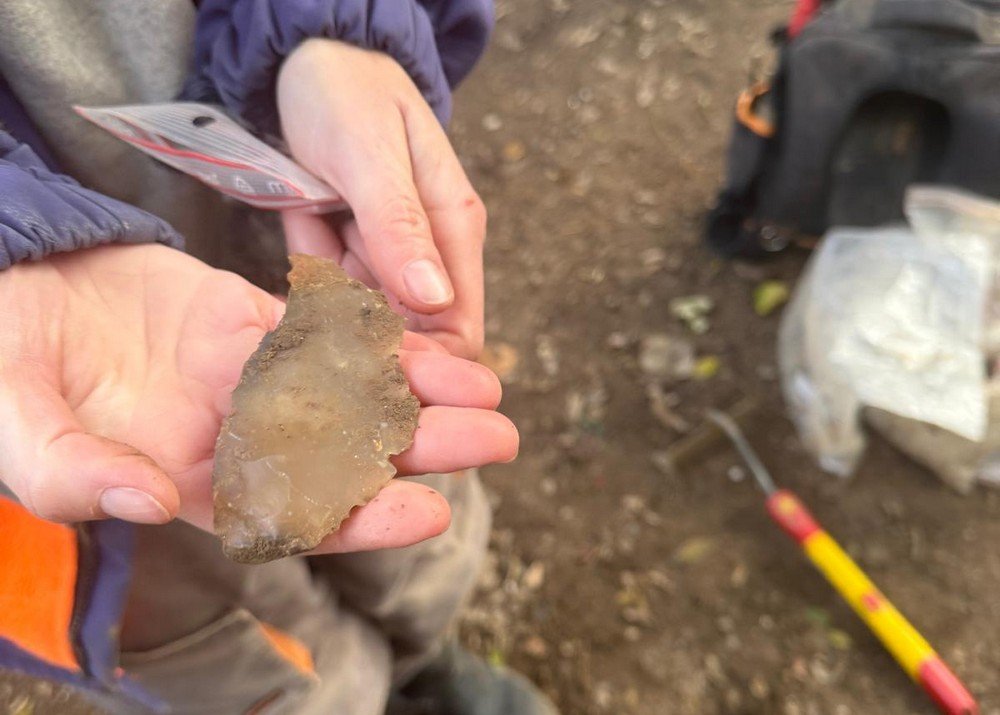
“Hand-knuckled serrated flint”
Far from the clichés of treasure hunting, archaeologists are the humble decipherers of everyday history, the kind that was not meant to be preserved.
A fascinating quest, constrained by modern foundations, but revealing a heritage of unsuspected richness, sometimes even linked to the history of Art.
The challenge of depth: going back in time in an urban environment. In Chartres, as in many ancient cities, archaeology is a real obstacle course.
The preventive archaeology team is diving several meters below the level of the modern city, fighting a major constraint: urban elevation.
Far from the clichés of treasure hunting, archaeologists are the humble decipherers of everyday history, the kind that was not meant to be preserved.
A fascinating quest, constrained by modern foundations, but revealing a heritage of unsuspected richness, sometimes even linked to the history of Art.
The challenge of depth: going back in time in an urban environment. In Chartres, as in many ancient cities, archaeology is a real obstacle course.
The preventive archaeology team is diving several meters below the level of the modern city, fighting a major constraint: urban elevation.
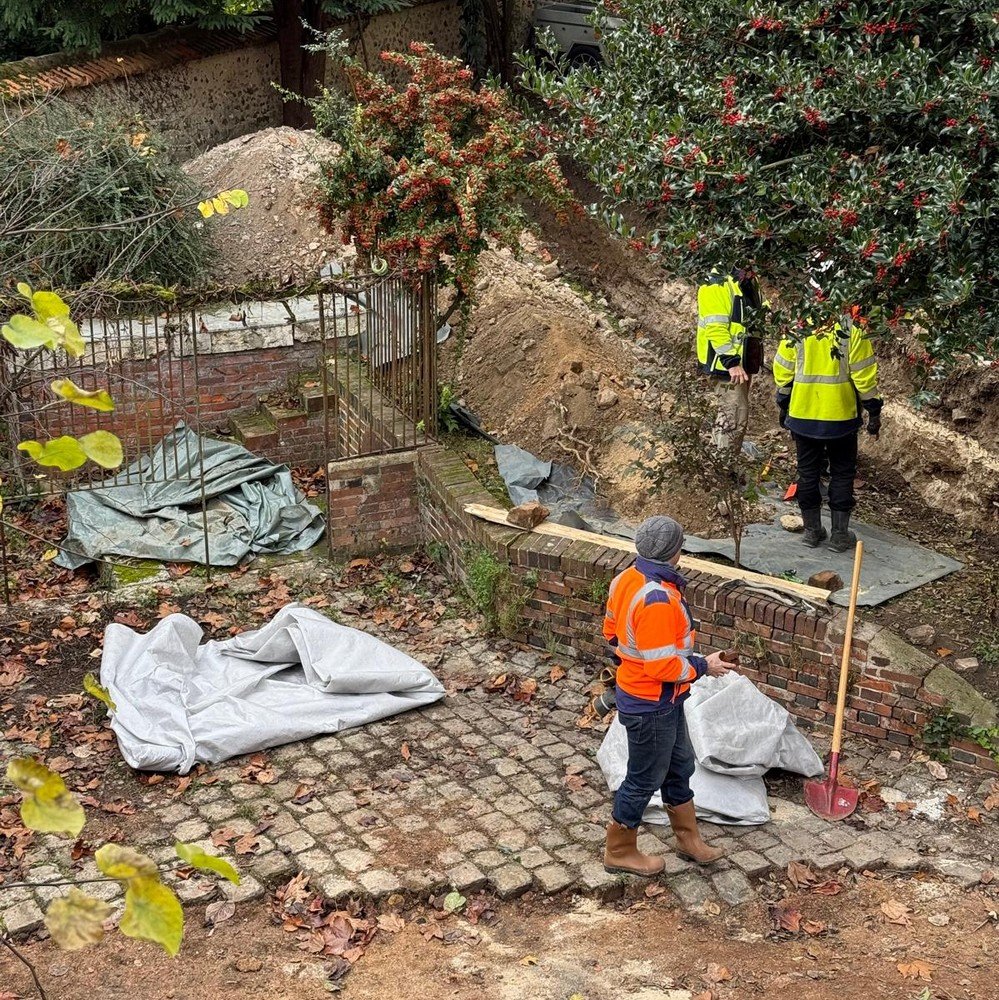
“A mille-feuille of embankments…”
Centuries of adding fill, sand, clay and demolitions have raised the ground level by almost two meters compared to the Gallo-Roman period.
Ceramics, the silent timer of everyday life.
For archaeologists, the true science of everyday life is revealed in the study of humble populations and their utilitarian objects.
In this quest, ceramics emerges as the most eloquent witness: the "chronometer of everyday life".
The rapid evolution of forms, uses, and firing techniques allows for the precise dating of archaeological layers. The color of the clay—oxidizing red or reduced dark—becomes a temporal signature. A single fragment can thus point back to the Gallo-Roman heights.
Centuries of adding fill, sand, clay and demolitions have raised the ground level by almost two meters compared to the Gallo-Roman period.
Ceramics, the silent timer of everyday life.
For archaeologists, the true science of everyday life is revealed in the study of humble populations and their utilitarian objects.
In this quest, ceramics emerges as the most eloquent witness: the "chronometer of everyday life".
The rapid evolution of forms, uses, and firing techniques allows for the precise dating of archaeological layers. The color of the clay—oxidizing red or reduced dark—becomes a temporal signature. A single fragment can thus point back to the Gallo-Roman heights.
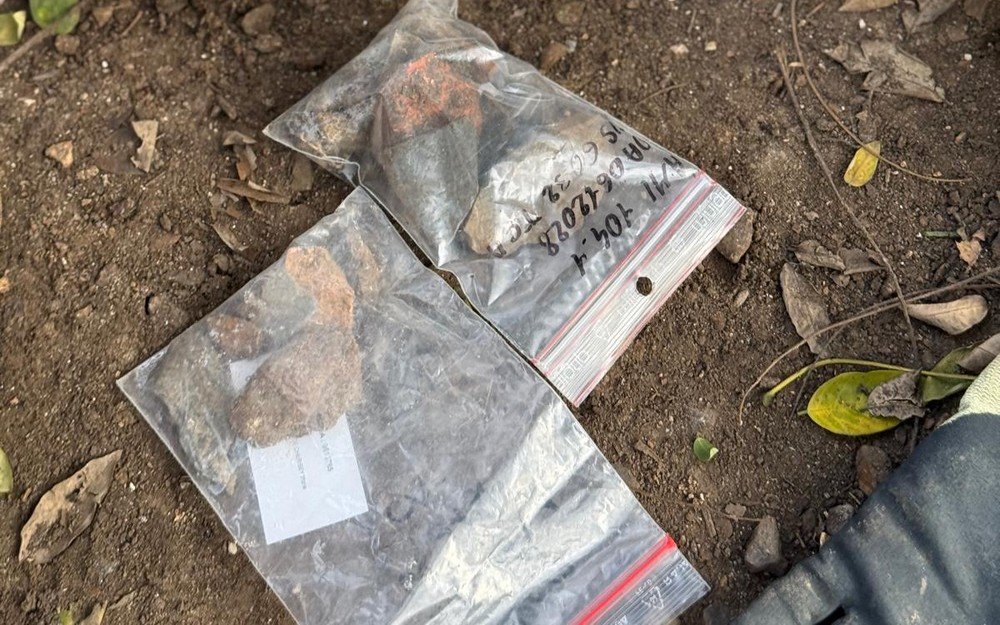
The emergence of the exceptional in Chartres: a bridge to the History of Art.
The ordinary is the rule, but exceptions can occur. Recently, the discovery of fragments of mosaic and mural painting was a major event.
These remains bear witness to a refined Gallo-Roman wall decoration, adorned with motifs such as candelabra or imitations of stone blocks.
Their preservation is remarkable: the collapse of the wall protected these fragments for almost two millennia, offering direct testimony to the aesthetics and decorative refinement of the period.
The ordinary is the rule, but exceptions can occur. Recently, the discovery of fragments of mosaic and mural painting was a major event.
These remains bear witness to a refined Gallo-Roman wall decoration, adorned with motifs such as candelabra or imitations of stone blocks.
Their preservation is remarkable: the collapse of the wall protected these fragments for almost two millennia, offering direct testimony to the aesthetics and decorative refinement of the period.
Expert Note: The work of archaeologists is often limited by technical and safety constraints. Excavations generally do not exceed the depth planned for the foundations of the future project. Despite this limitation, their primary mission remains to preserve these precious clues before they are lost forever.
Posted in:
Default category
Related posts
-
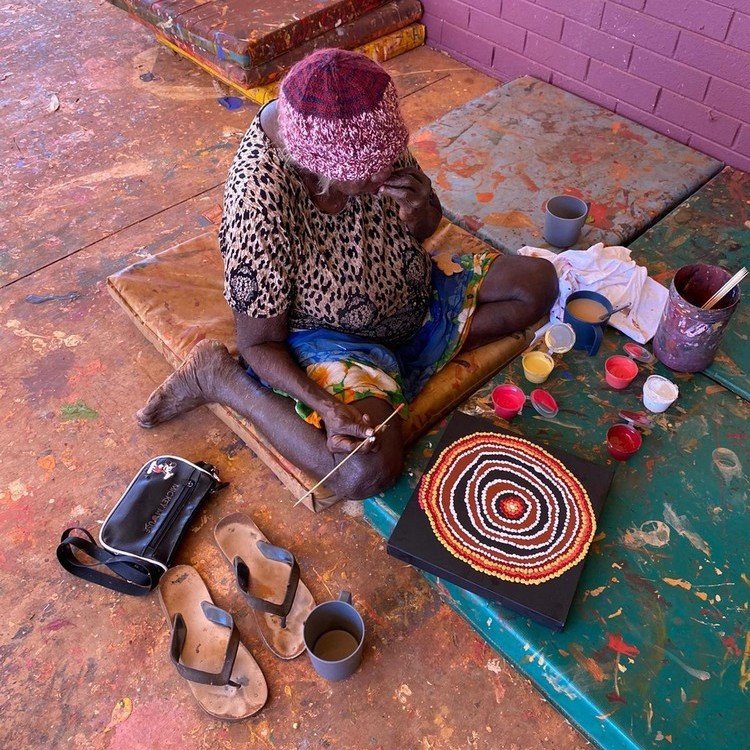 Sandrine POMNITZ
The inner journey, to the heart of the desertRead more
Sandrine POMNITZ
The inner journey, to the heart of the desertRead more -
 Women and Art
Creators and collectorsRead more
Women and Art
Creators and collectorsRead more -
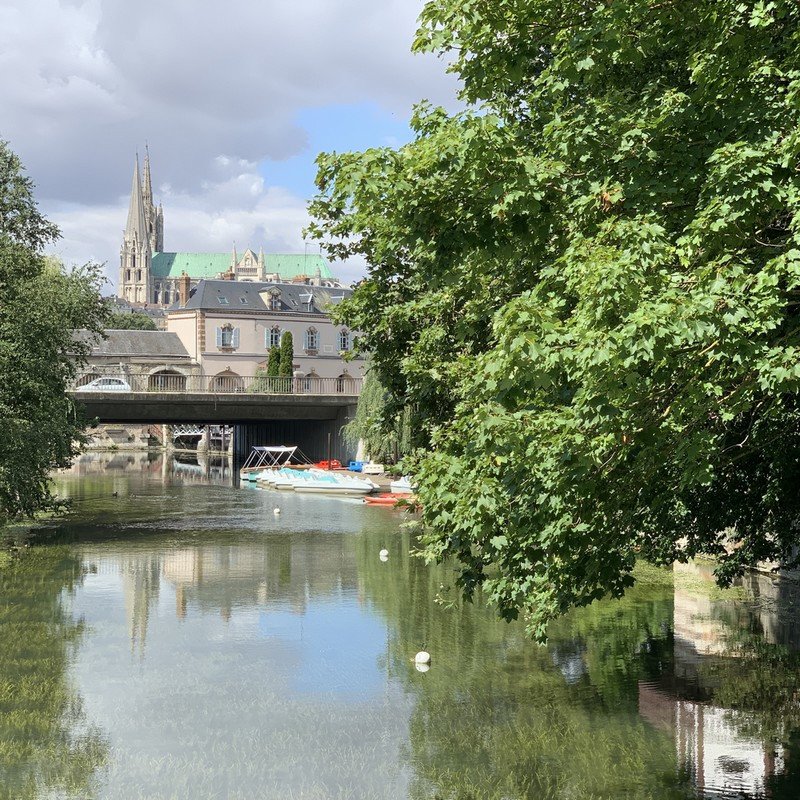 Chartres, a lifestyle
Chartres has become a “lifestyle”.Read more
Chartres, a lifestyle
Chartres has become a “lifestyle”.Read more -
 Stable
"An old stable defies time..."Read more
Stable
"An old stable defies time..."Read more -
 Generation Z
When museums are being overtaken by TikTok and Instagram feedsRead more
Generation Z
When museums are being overtaken by TikTok and Instagram feedsRead more
Leave a comment